The Joylanders Learning Pathway
From a child's very first day of Day Care through Junior Secondary, our programme follows Kenya's Competency-Based Curriculum (CBC), guided by the Kenya Institute of Curriculum Development (KICD) and the Ministry of Education.
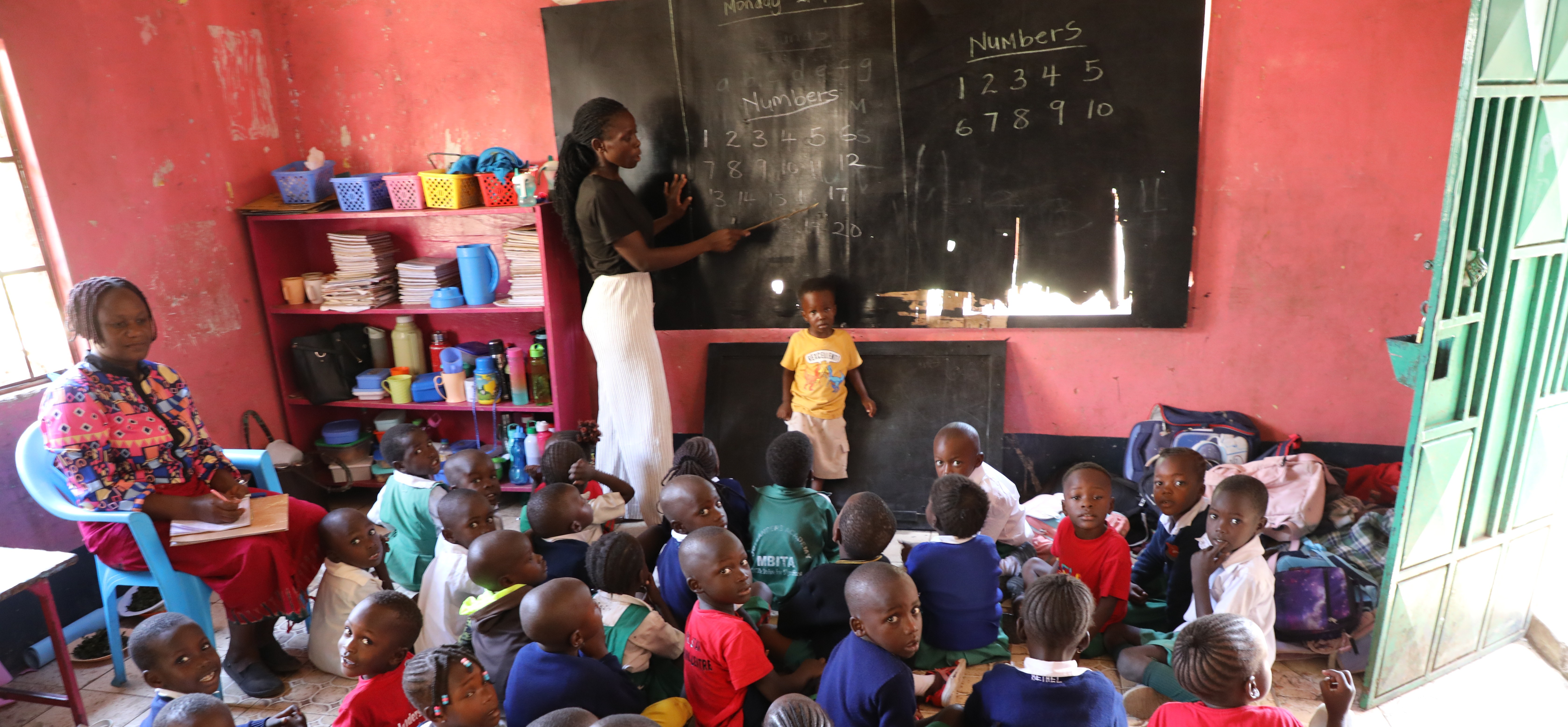
Day Care
Our Day Care programme welcomes our youngest learners into a safe, warm, and stimulating environment before they begin formal early years education. Our goal is to develop active learners who create and think critically through day-to-day interaction with adults and other children in play, guided learning, and exploration. We offer a holistic education through a wide range of learning experiences delivered across well-planned indoor and outdoor spaces.
Our individualised, child-centred approach helps every child develop a positive self-concept, which in turn builds the confidence and open-mindedness they need to become independent, self-driven learners who will one day contribute positively to their community. Parents are always welcome to arrange a guided tour of our Day Care facility.
- Age range: from a few months old to approximately 2½ years
- Daily schedule: a balanced routine of meals, rest, play, and early learning activities
- Facilities: nursery rooms and a dedicated outdoor play area within our purpose-built campus
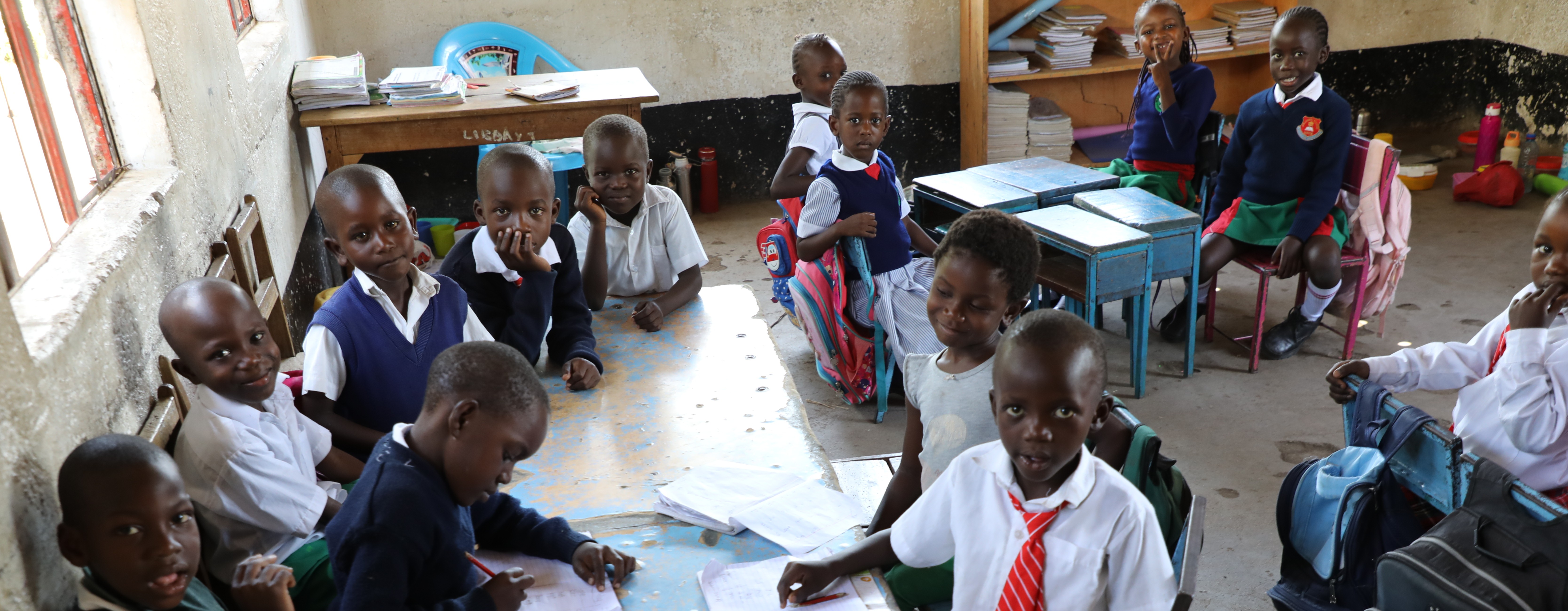
Early Childhood Development Education (ECDE)
ECDE covers the two years of pre-primary education under Kenya's CBC structure, laying the foundation in literacy, numeracy, and social skills before learners join Grade 1. This stage sits between Day Care and Primary School, and if the foundation here is not laid well, children can find it hard to settle into and succeed in the years that follow so we take it seriously. Our children learn in a friendly environment that nurtures their individual talents and potential, giving them the confidence to progress and grow into engaging, capable young people.
Children in our ECDE section love coming to school and take real pride in their achievements. At the heart of this is a team of dedicated, friendly, and highly competent staff who work together to create our distinctive, child-friendly atmosphere. Lessons are largely play-based, supported by structured activities that build language, motor skills, and early numeracy, in small classes where every child gets individual attention from a qualified ECDE teacher.
- Pre-Primary 1 (PP1) and Pre-Primary 2 (PP2)
- Focus areas: play-based learning, language development, early numeracy, and motor skills
- Small class sizes taught by qualified, dedicated ECDE teachers
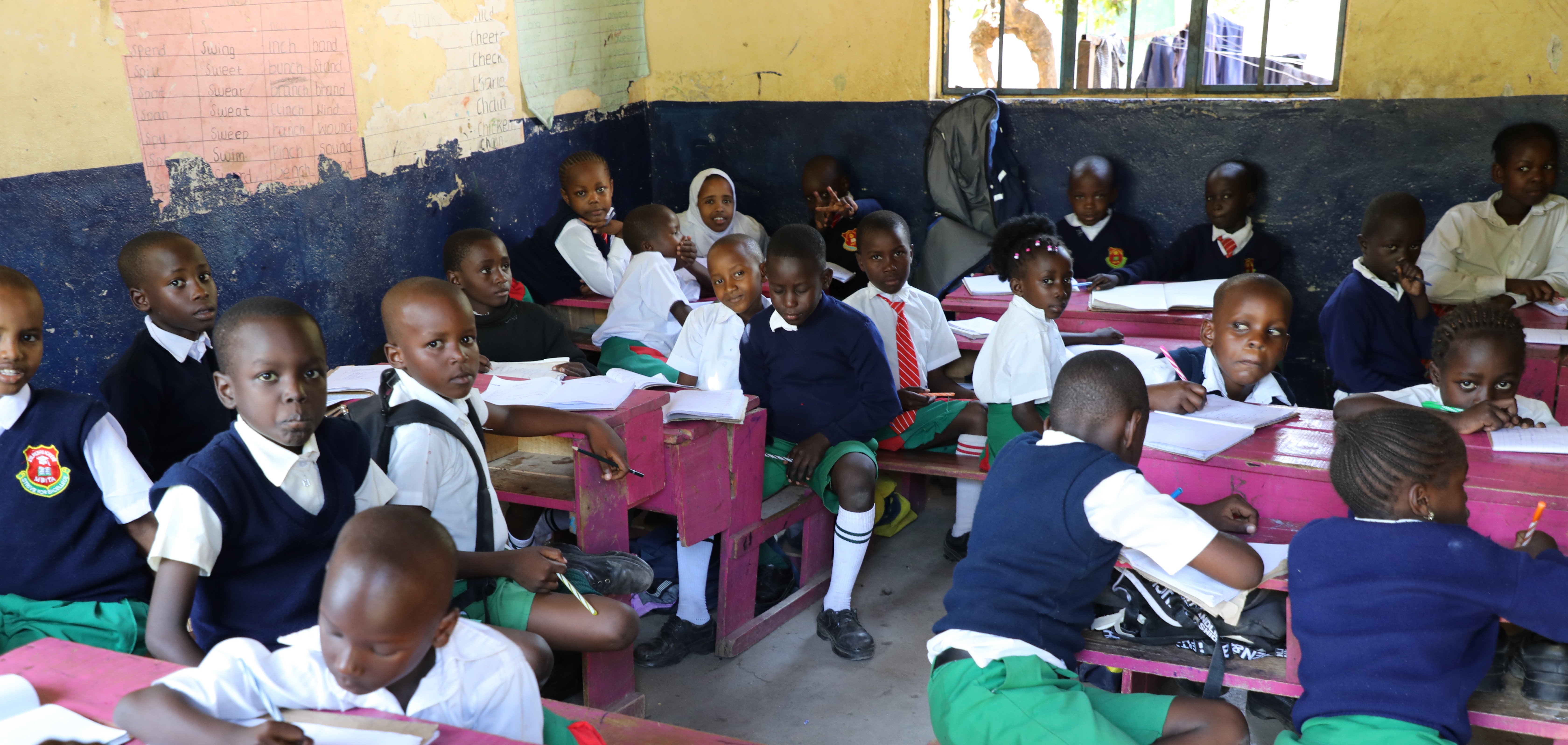
Lower Primary
Lower Primary marks the start of formal schooling under CBC and caters for learners from roughly 5½ years of age. Learners build core skills in literacy, numeracy, and environmental activities, alongside creative arts and physical education. Our teachers are responsible for each child's welfare as well as the delivery of the curriculum, drawing on their expertise and experience to plan work that is relevant and suited to every learner's needs. The emphasis at this stage is on developing foundational skills, teaching learners how to take ownership of their own learning, and helping them build the social skills to live and work harmoniously with others.
Assessment is continuous, in line with CBC, combining classroom observation, learner portfolios, and short assessments rather than a single end-of-year exam. We also believe extracurricular activities play an important role in a young person's all-round development, so learners at this level are encouraged to join clubs and activities both during and after the school day. We expect and ask parents to support high standards of personal behaviour and respect for others, as set out in our Discipline and Homework policies.
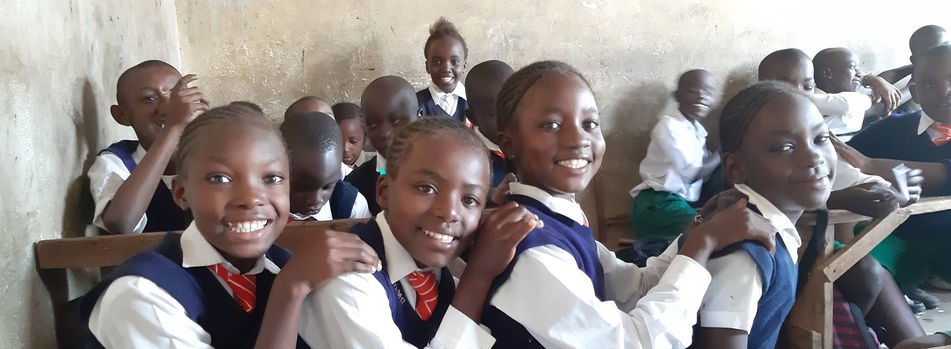
Upper Primary
Upper Primary builds on the foundation from Lower Primary, introducing subjects such as Science and Technology, Social Studies, Agriculture, and Creative Arts, in preparation for Junior Secondary. As in Lower Primary, our teachers stay closely involved in each learner's welfare and progress, and learning continues to be assessed continuously through classwork, projects, and portfolios alongside standard tests.
Learners at this level are encouraged to take on more responsibility for their own learning and to continue building the confidence, curiosity, and discipline they will need in Junior Secondary. Extracurricular activities remain a key part of school life, with clubs, sports, and creative activities offered during and after school hours to support well-rounded development, alongside the same high expectations for behaviour and respect for others outlined in our Discipline and Homework policies.
Junior Secondary (JSS)
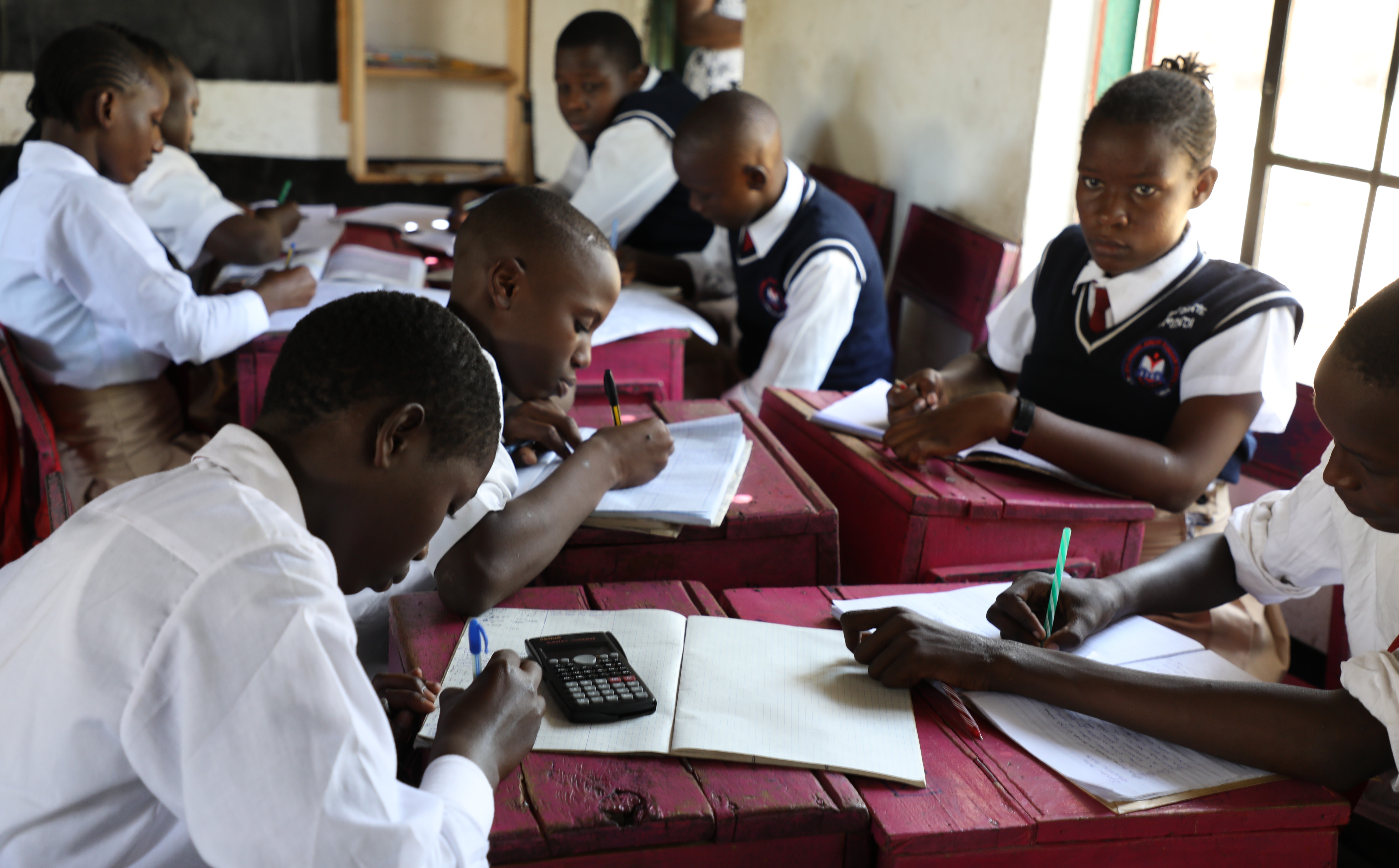
Junior Secondary School (JSS) is a three-year stage introduced under CBC, sitting between primary and senior school. Rather than pushing early specialisation, JSS exposes learners to a broad mix of sciences, humanities, technical, and creative subjects so they can begin to discover their strengths and interests ahead of choosing a pathway in senior school. Learners typically study English, Kiswahili, Mathematics, Integrated Science, Pre-Technical Studies, Agriculture, Business Studies, and Creative Arts. As with every level at Joylanders School, our JSS teachers work closely with learners on both their academic progress and personal welfare, while learners are encouraged to take part in clubs and extracurricular activities that teach the value of hard work, dedication, and healthy competition.
At the end of Grade 9, learners sit the Kenya Junior Secondary School Education Assessment (KJSEA), administered by the Kenya National Examinations Council (KNEC). Results from the KJSEA, together with continuous School-Based Assessment (SBA) carried out throughout JSS, determine placement into a senior school and learning pathway. We work with learners and their parents throughout JSS to help each child identify and prepare for the pathway that best suits their interests and abilities.
Understanding the CBC / CBE System
Kenya's Competency-Based Curriculum (CBC) now also referred to as Competency-Based Education (CBE) replaced the earlier 8-4-4 system, which was built around a single high-stakes exam at the end of primary and secondary school. CBC instead follows a 2-6-3-3-3 structure: two years of pre-primary education, six years of primary school (Grades 1–6), three years of junior secondary (Grades 7–9), three years of senior secondary (Grades 10–12), and at least three years of university or tertiary education beyond that.
Rather than relying mainly on one final examination, CBC assesses learners continuously through classroom observation, projects, portfolios, and group work — alongside standard tests. The curriculum is organised around core competencies such as communication and collaboration, critical thinking, creativity, digital literacy, and self-efficacy, aiming to nurture well-rounded learners rather than exam-takers alone.
The Kenya Institute of Curriculum Development (KICD) designs and reviews the curriculum, working alongside the Kenya National Examinations Council (KNEC) on assessment and the Ministry of Education on overall policy.